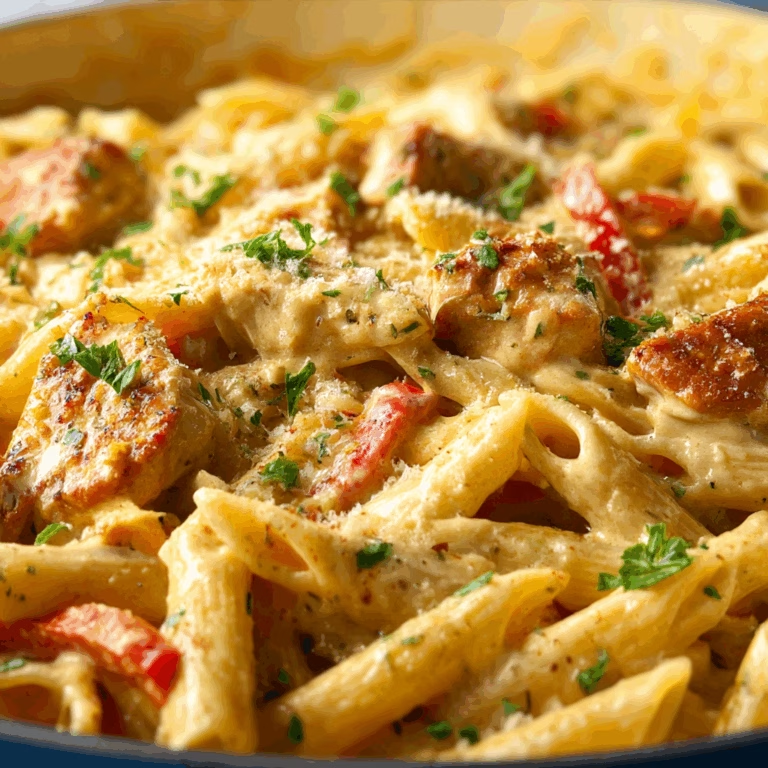
Easy Spring Fettuccine Asparagus Recipe Ideas

Spring Fettuccine Asparagus is a delightful way to embrace the fresh flavors of the season. This dish combines tender asparagus with perfectly cooked fettuccine, tossed in a light, plant-based sauce that elevates every bite. Whether you’re after a quick weeknight dinner or a vibrant meal to share with friends, these easy-to-follow recipes highlight the beauty of seasonal vegetables and simple, wholesome ingredients for a gorgeous, healthy dish.
Why You’ll Love This Recipe
- Fresh seasonal taste: Asparagus in spring tastes crisp and vibrant, giving the dish a naturally bright flavor.
- Simple ingredients: The recipe uses everyday pantry staples that come together quickly and easily for a fuss-free meal.
- Light and satisfying: The combination of fettuccine and fresh vegetables creates a balanced dish that feels nourishing without being heavy.
- Versatile and customizable: You can adjust the flavors and add-ins to suit your dietary preferences or what’s in your fridge.
- Perfect for any occasion: It works equally well as a casual dinner or a more elegant meal for guests.
Ingredients You’ll Need
These ingredients are straightforward but carefully selected to highlight the natural flavors and texture contrasts in your Spring Fettuccine Asparagus. Each adds something unique, whether in color, freshness, or mouthfeel.
- Fettuccine pasta: Use your favorite plant-based pasta for a silky, satisfying base.
- Fresh asparagus: Snap off the tough ends and slice the stalks so every bite has crunch and sweetness.
- Olive oil (natural): This brings a fruity richness that coats every strand of pasta perfectly.
- Garlic cloves: Minced garlic infuses the dish with an irresistible aroma and depth of flavor.
- Lemon juice (natural): Adds a refreshing zing that brightens the entire dish.
- Vegetarian Worcestershire sauce (natural): Enhances umami notes and ties the flavors together beautifully.
- Plant-based cream or milk: A splash creates a silky sauce to bind everything while keeping it light.
- Fresh herbs (parsley, basil): Adds color, scent, and a fresh, green flavor layer.
- Salt and pepper: Essential seasonings that bring all the components into balance.
Variations for Spring Fettuccine Asparagus
Feel free to play around with this recipe. It’s quick to adapt for different tastes, seasonal produce, or dietary needs, so let your creativity guide you.
- Add roasted cherry tomatoes: For a burst of sweetness and vibrant color.
- Include pine nuts or walnuts: Adds a wonderful crunch and nutritious fats.
- Swap plant-based cream for a natural gelling agent-based sauce: To keep it lighter but still creamy.
- Mix in sautéed mushrooms: Deepens the earthy flavor profile with a meaty texture.
- Use grape juice in the sauce: Introduces a subtle sweetness that balances the savory elements.

How to Make Spring Fettuccine Asparagus
Step 1: Prepare the asparagus
Trim the woody ends from the asparagus and cut the stalks into bite-sized pieces to ensure quick and even cooking. Blanch them in boiling salted water for just two to three minutes, then transfer to an ice bath to keep their crisp texture and beautiful color.
Step 2: Cook the fettuccine
Bring a large pot of salted water to a boil and cook the fettuccine according to package instructions until al dente. Reserve about a cup of pasta water before draining to help create the sauce later.
Step 3: Make the sauce
In a large skillet, heat olive oil and gently sauté minced garlic until fragrant but not browned. Add a splash of vegetarian Worcestershire sauce (natural), lemon juice (natural), and plant-based cream, stirring to combine into a creamy base. Use reserved pasta water to loosen the sauce as needed.
Step 4: Combine pasta and asparagus
Add the drained pasta and blanched asparagus to the skillet. Toss gently to coat everything evenly in the sauce. Season with salt and pepper and finish with freshly chopped herbs for a fresh finish.
Pro Tips for Making Spring Fettuccine Asparagus
- Cook pasta al dente: This ensures a perfect bite and prevents the noodles from becoming mushy when tossed with the sauce.
- Don’t overcook asparagus: Keep it crisp for texture contrast and vibrancy in the dish.
- Use reserved pasta water: It’s starchy and helps emulsify the sauce for a silkier coat on the noodles.
- Add lemon juice last: To preserve its fresh brightness and avoid bitterness.
- Fresh herbs go on at the end: This preserves their aroma and color, making the dish pop visually and aromatically.
How to Serve Spring Fettuccine Asparagus
Garnishes
Top with freshly cracked black pepper, a drizzle of olive oil (natural), or a sprinkle of plant-based Parmesan (plant-based) for a lovely finishing touch that adds visual appeal and flavor depth.
Side Dishes
Pair with a crisp green salad dressed in lemon vinaigrette or roasted baby carrots for complementary textures and seasonal freshness that round out the meal perfectly.
Creative Ways to Present
Serve the pasta in shallow bowls to showcase the bright greens and creamy sauce, or twirl nests of fettuccine on each plate for a restaurant-style presentation that impresses guests effortlessly.
Make Ahead and Storage
Storing Leftovers
Store leftover Spring Fettuccine Asparagus in an airtight container in the refrigerator for up to 3 days. Keep it chilled to preserve the freshness of the asparagus and prevent the pasta from becoming soggy.
Freezing
This dish is best enjoyed fresh. Freezing is not recommended as the texture of asparagus can become watery and the pasta may lose its optimal consistency after thawing.
Reheating
Reheat gently in a skillet over low heat with a splash of plant-based cream or reserved pasta water to bring back its creamy texture and warmth without drying out the noodles.
FAQs
Can I use other pasta instead of fettuccine?
Absolutely! While fettuccine works beautifully for coating with sauce, feel free to substitute tagliatelle, linguine, or even penne if that’s what you have on hand.
Is it possible to make this gluten-free?
Yes, simply swap the regular pasta for your favorite gluten-free brand, and follow the recipe as usual for a delicious, gluten-free version.
Can I add protein to this recipe?
Certainly! Grilled chicken strips, sautéed shrimp, or crumbled plant-based sausage can be excellent additions to boost the protein content while keeping the dish light.
How do I keep the asparagus bright green and crisp?
Blanching and then shocking asparagus in ice water immediately after cooking locks in the vibrant color and stops the cooking process to maintain crunch.
What are the best herbs to use with this dish?
Fresh parsley, basil, and even chives complement the flavors beautifully without overpowering the delicate taste of asparagus and lemon.
Final Thoughts
Spring Fettuccine Asparagus offers a fresh, vibrant, and satisfying way to celebrate the season’s best produce. Its simplicity and versatility make it a wonderful go-to recipe for busy weeknights or special occasions alike. Dive in, have fun experimenting with the variations, and enjoy every colorful, flavorful forkful of this lovely dish!
Related Posts
- Refresh Your Menu with Arugula Citrus Salad
- Why Famous La Scala Chopped Salad Is a Must-Try
- Why Creamy Greek Lemon Chicken Soup Delights

Spring Fettuccine Asparagus
- Total Time: 25 minutes
- Yield: 4 servings 1x
- Diet: Plant-based, Gluten Free option available
Description
Spring Fettuccine Asparagus is a fresh and vibrant plant-based pasta dish featuring tender asparagus and perfectly cooked fettuccine tossed in a light, creamy sauce with garlic, lemon, and fresh herbs. It is a quick, wholesome, and versatile meal ideal for any occasion, highlighting the best flavors of spring vegetables in a simple, nourishing format.
Ingredients
Fettuccine and Vegetables
- 200g fettuccine pasta (plant-based)
- 1 bunch fresh asparagus, trimmed and cut into bite-sized pieces
Sauce
- 2 tablespoons olive oil (natural)
- 3 garlic cloves, minced
- 1 tablespoon vegetarian Worcestershire sauce (natural)
- 1 tablespoon fresh lemon juice (natural)
- 1/4 cup plant-based cream or plant-based milk
- Reserved pasta water, as needed
Seasoning and Garnish
- Salt, to taste
- Black pepper, freshly cracked, to taste
- 2 tablespoons fresh parsley, chopped
- 2 tablespoons fresh basil, chopped
- Optional: drizzle of olive oil (natural) and plant-based Parmesan (plant-based) for serving
Instructions
- Prepare the asparagus: Trim the woody ends from the asparagus and cut the stalks into bite-sized pieces to ensure quick and even cooking. Blanch them in boiling salted water for 2 to 3 minutes, then transfer immediately to an ice bath to keep their crisp texture and vibrant color.
- Cook the fettuccine: Bring a large pot of salted water to a boil and cook the fettuccine according to the package instructions until al dente. Reserve about one cup of the pasta water before draining to help create the sauce later.
- Make the sauce: In a large skillet, heat olive oil and gently sauté the minced garlic until fragrant but not browned. Add vegetarian Worcestershire sauce (natural), lemon juice (natural), and plant-based cream, stirring to combine into a creamy base. Use the reserved pasta water to loosen the sauce as needed.
- Combine pasta and asparagus: Add the drained pasta and blanched asparagus to the skillet. Toss gently to coat everything evenly in the sauce. Season with salt and freshly ground black pepper. Finish with freshly chopped parsley and basil for a fresh and vibrant flavor.
Notes
- Cook pasta al dente to ensure perfect texture and prevent mushiness.
- Do not overcook the asparagus to maintain its crispness and vibrant green color.
- Use reserved pasta water to emulsify the sauce for a silkier coating on the pasta.
- Add lemon juice at the end to preserve its fresh brightness.
- Add fresh herbs last to maintain their color and aroma.
- Store leftovers in an airtight container in the refrigerator for up to 3 days.
- Reheat gently with a splash of plant-based cream or reserved pasta water to restore creaminess without drying the pasta.
- This dish is best enjoyed fresh; freezing is not recommended as it affects texture.
- Prep Time: 10 minutes
- Cook Time: 15 minutes
- Category: Main Course
- Method: Boiling and Sautéing
- Cuisine: Italian inspired
Nutrition
- Serving Size: 1 serving
- Calories: 350
- Sugar: 3g
- Sodium: 250mg
- Fat: 12g
- Saturated Fat: 2g
- Unsaturated Fat: 10g
- Trans Fat: 0g
- Carbohydrates: 50g
- Fiber: 5g
- Protein: 8g
- Cholesterol: 0mg
Keywords: spring pasta, asparagus fettuccine, plant-based pasta, vegetarian pasta, light pasta dish, seasonal vegetables